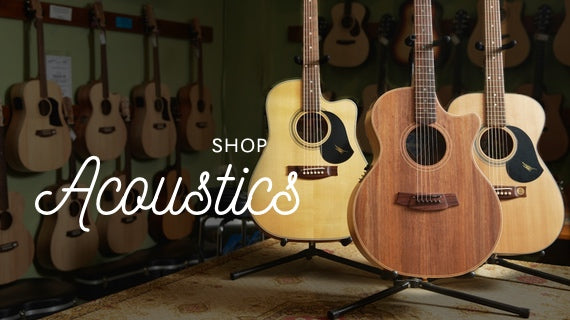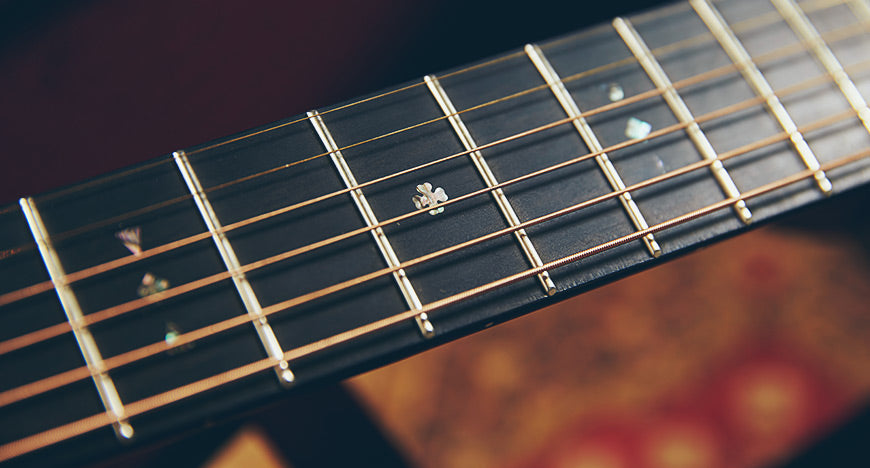

Since The Acoustic Inn is a dedicated acoustic guitar store, we thought we'd give you a bit of insight into what makes each acoustic guitar subtly different from the next one - timber. The various tonewoods used in the manufacture of acoustic guitars have varying properties that define the guitars 'voice', so here's a bit of info on timbers, where they comes from and what they sound like.

Sitka Spruce: The traditional choice of soundboard (top) timber for many guitar
manufacturers over many years, "Sitka Spruce" has become the benchmark against which
all other timbers are measured.
Its dynamic range is very broad, allowing for everything from aggressive strumming and flatpicking to fingerpicking. It is found on the West Coast of North America and Canada, from Northern California to Alaska. Most manufacturers source their Spruce from these regions, including Australian companies Cole Clark and Maton.
Western Red Cedar: Found on the West Coast of North America, Western Red Cedar is lighter, softer and a little more stable than Spruce. Due to a lighter mid presence, it has a sweeter tone than Spruce,
making it a favorite with finger stylists and classical players.
Bunya: The Bunya Feast was a regular gathering of indigenous people from
around the Bunya Mountains in Southern Queensland. They would gather to
feast on the ripe nuts from the Bunya tree and to sing, dance and
celebrate. The Bunya tree also yeilds an outstanding soundboard timber - probably the best Australia has to offer. Maton guitars pioneered the use of this tonewood in the mid 1990's and have made some of their finest guitars from Bunya. This timber has an earthy, wild, evocative tone, a change from the
conventional - but with the volume, tone and beauty to stand up in its
own right. Bunya is also a sustainable guitar making soundboard,
reaching maturity in 80 years. Compare that to the 300 plus years it
takes to grow Spruce.
Queensland Maple: Originally used as a Mahogany "substitute", Queensland Maple has become
the backbone of the Maton sound. It is used in nearly every Maton
either as a neck, back & sides, or internal component. A rainforest hardwood from Northern Queensland, this timber is light, strong, and visually striking. Queensland Maple is extremely well balanced with an even response accross all frequencies.
Mahogany: Much lighter in weight than rosewood, koa or maple, Mahogany yields a surprisingly strong, loud sound with an
emphasis on clear, bright airy trebles. Most Mahogany used in guitar manufacture is found in South America and is a yellowish brown to reddish brown coloured timber.
Indian Rosewood: One of the most popular and traditional guitar
woods of all time, rosewood takes that basic sonic thumbprint of
mahogany and expands it in both directions. Think in terms of a visual
spectrum in which low frequencies are on the left, and high frequencies
are on the right. Rosewood sounds deeper in the low end and brighter
on the top end (one might describe the treble notes as zesty, sparkly
or sizzly, with more articulation). If you look at its frequency range
visually, rosewood would appear to be more scooped in the middle,
yielding less midrange bloom than mahogany. Like mahogany, rosewoods
vintage heritage has helped firmly establish its acoustic legacy.Victorian Blackwood: One of the most visually stunning furniture timbers available,
Blackwood has also become an important tonewood. Most of the Blackwood
in Australia comes from the Otway Ranges in Victoria. It often displays
"fiddleback" character and "AAA" grade Blackwood can be intensely
figured. It has a warm, full tone with a particularly pleasing mid frequency
response and has become one of the most sought after Australian timbers.
Queensland Walnut: This large, hard and dense rainforest timber has proven to be an excellent laminate, and is used on Maton's 325 and 425 series in particular. This Australian timber produces great tone, giving a clear top end frequency response with full bodied mid and bass. It is also visually beautiful, having much in common with American Walnut.

Otway Rainforest, Victoria Tone chart showing frequencies of many poular acoustic timbers